What it is
Cream and stick foundations are usually anhydrous, meaning they contain little or no water. Instead, pigment is held in a blend of waxes, butters, oils and silicones. Less water means more room for pigment per gram, which is why these formats deliver so much coverage from so little product, and why they feel cushiony and comfortable on dry skin.
The format has a long backstage history. Max Factor's Pan-Stik, introduced in 1948, put cream foundation into a convenient twist-up stick for both film sets and everyday buyers. In 1981, Dermablend was founded to offer high-coverage corrective cream makeup for people covering vitiligo, birthmarks and scars, a use these dense formulas still serve exceptionally well.
Modern versions range from classic compacts you dab on with a sponge, to slim sticks you swipe straight onto skin, to softer balms that melt at body temperature and blur almost like a liquid.
Compare the three cream styles
| Style | Pros | Cons | Best for |
|---|---|---|---|
| Cream compact | Highest coverage per layer; some dry down to a powder finish | Can look heavy if overapplied; sponge hygiene matters | Even coverage across the face, photography, cream-to-powder fans |
| Stick | Precise, travel-friendly, doubles as concealer or contour in deeper shades | Can drag on textured skin; harder to sheer out | Spot correction, quick routines, travel bags |
| Balm | Melts in, skin-like finish, very comfortable on dry skin | Shorter wear on oily skin; may need setting powder | Dry or mature skin, natural glow |
Who it fits
Cream is the shade for dry, dehydrated or mature skin that drinks up liquid and highlights flakes under powder. It's also the practical choice when you want to cover specific areas, such as redness around the nose, a scar or post-blemish marks, and keep the rest of the face lighter.
For oily skin, the waxes and oils can feel heavy and slide by afternoon. If you love the precision, use a stick only where you need it and pair it with a lightweight liquid or skin tint elsewhere. Set the cream areas with a fine powder from Shade 02.
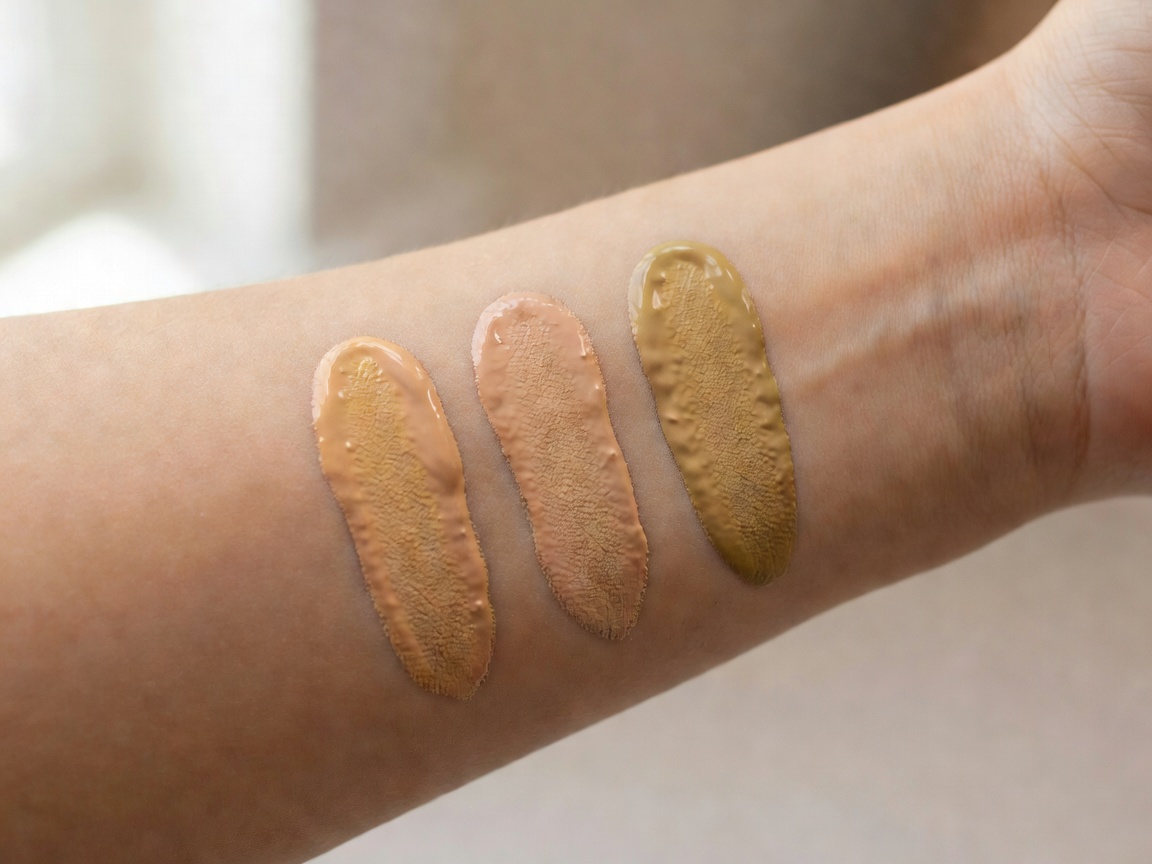
A quick undertone reminder: cream's high pigment load makes undertone mismatches easier to see. Cool undertones lean pink, warm lean golden or peach, neutral sits between, and olive carries a green-grey cast that many ranges still under-serve. If every shade looks either grey or orange on you, look specifically for olive options.
Test it like this
- Warm it first. Swipe the stick or dab the compact onto the back of your hand to warm it, then pat onto the jaw. Cold cream drags.
- Tap, don't rub. Blend with a damp sponge or fingertips using tapping motions, the way you'll wear it.
- Daylight and fifteen minutes. Check by a window, then again after it settles. Dense formulas reveal undertone more clearly once they set.
- Check movement lines. Smile and squint, then look at the smile lines and under-eye area. Creasing early means use less or set lightly.
- Wear-test with a mask or scarf. Cream transfers more than long-wear liquid. If transfer bothers you, try a setting spray or powder.
Care and hygiene
Anhydrous formulas are less hospitable to microbes than water-based ones, but sticks and compacts touch skin directly. Wipe the surface of a stick with a clean tissue after use, wash sponges after every wear, and respect the period-after-opening symbol, commonly 12M or 18M on creams.
Verdict: the most coverage and comfort per swipe. Choose it for dry skin or targeted correction, set it where you shine, and keep tools clean.